
Improving our own and our children's vagal tone
Dimples Nursery • February 1, 2026
What is the vagus nerve and how can we improve vagal tone?
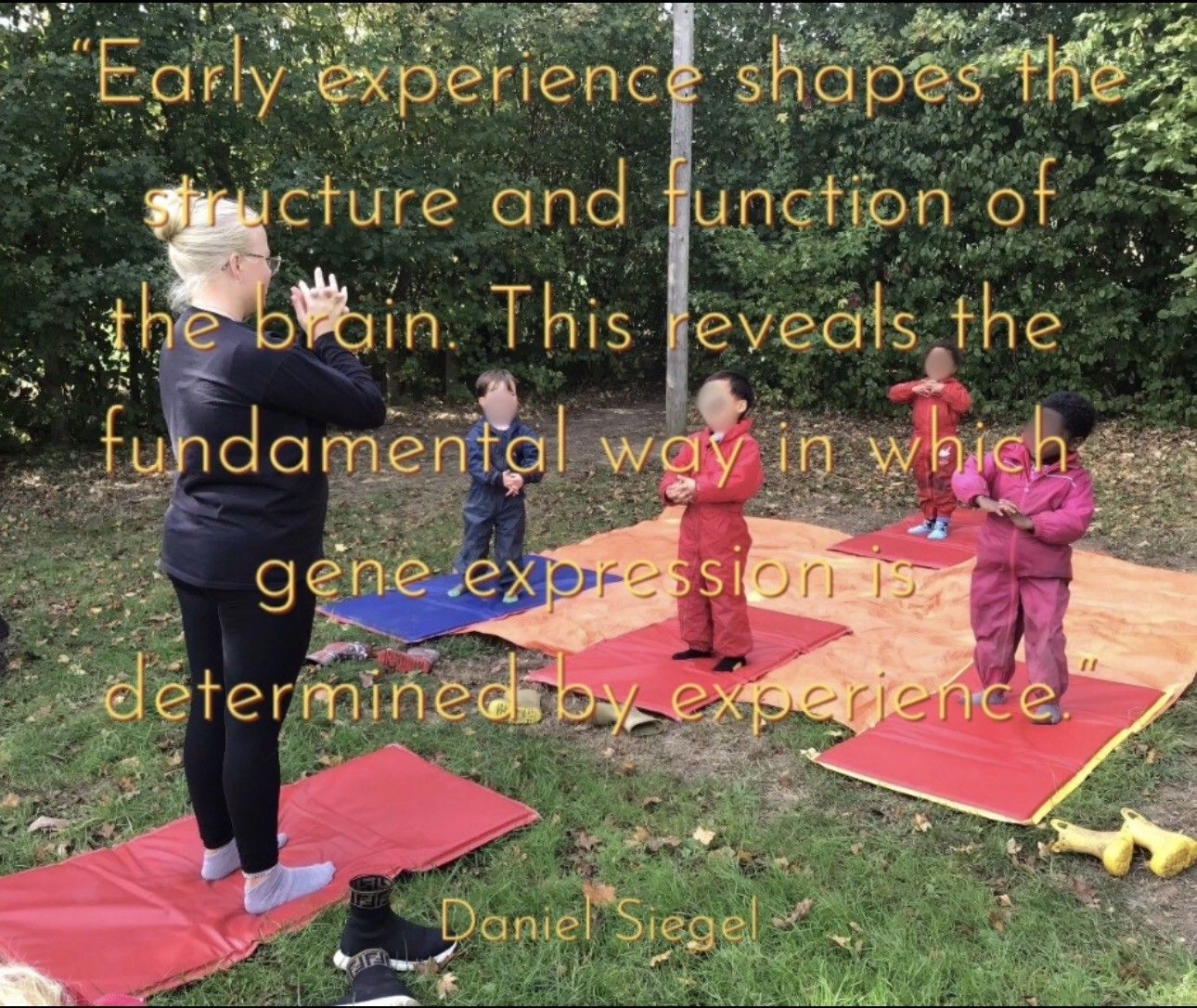
❤️💛 Improving our own and our children's vagal tone💛❤️
What is the vagus nerve?
- It is one of the longest nerves in the whole body.
- It links the brain to the gut and it can control some motor functions throughout the body.
- It is linked to the microbiome-gut-brain-axis. Ever had a 'gut feeling'? This phrase stems from the connection between the brain and the gut.
- It has an impact on your mood, your stress levels, your digestion, your heart rate and immune system.
- If it is not working properly it can also play a role in some chronic diseases.
- So... it's safe to conclude that the vagal nerve is very important!
How to improve yours and your children's vagal tone?
- Breathing exercises: breathing can directly impact how we feel, our mood, our energy levels and our emotions. Breathing exercises such as butterfly breathing or 2-1 breathing (longer exhale than inhale) stimulates the parasympathetic nervous system helping the calm the vagus nerve, relax the nervous system and thus the brain.
- Meditation: mindfulness and relaxation exercises. A great opportunity to practice those breathing techniques and to calm the vagus nerve.
- Singing: including chanting and laughing. The vibrations in the throat activate the vagus nerve. Singing and music helps to release oxytocin (the "happy hormone") which improves mood, stabilises emotions and calms the nervous system.
- Practicing Gratitude: perhaps through journaling or discussing with a peer/ small group something that you are grateful for that day. This helps to refocus the mind, reframe situations and focus on the positives of each and every day. What are you grateful for today?
- Yoga practice: even a short yoga session can help to reduce stress and inflammation. Yoga helps to decrease the activation of the sympathetic nervous system and activate the parasympathetic nervous system which stimulates the vagus nerve. Exercise even gentle yoga releases more of those 'happy hormones' (oxytocin) and makes you feel good!
- Eating for your gut and your brain: probiotics help to reduce inflammation in the gut which has a direct impact on the vagus nerve. Probiotics such as drinking Kefir, leafing live yogurt, eating fermented foods such as sauerkraut and kimchi, sourdough bread, pickles etc. Of course there are also probiotic supplements available too but always think food 1st and seek a reputable brand when purchasing supplements.
- Physical touch: massage, cuddles. Cuddling, massaging and stroking our children helps to boost wellbeing, attachment, allowing our children to feel 'save, seen, soothed and secure' and allowing new neural synapses to form.
- Spending time outside: there is so much research showing how beneficial spending time in the great outdoors is for activating and calming our nervous systems. Not only can spending time outside calm us, boost our mood, improve our overall health but it also improves our attention span and our ability to learn. We cannot begin to focus or learn if we are in a state of fight or flight.
What can you do for yourself and or with your child / your family to benefit your vagal tone?
'Human relationships shape the brain structure'
Daniel Siegel (1998)
References:
- Siegel, D. J. and Bryson, T. P. (2020) The Power of Showing Up: How Parental Presence Shapes Who Our Kids Become and How Their Brains Get Wired. New York: Ballantine Books.

Children's Mental Health Week 9th-15th February 2026